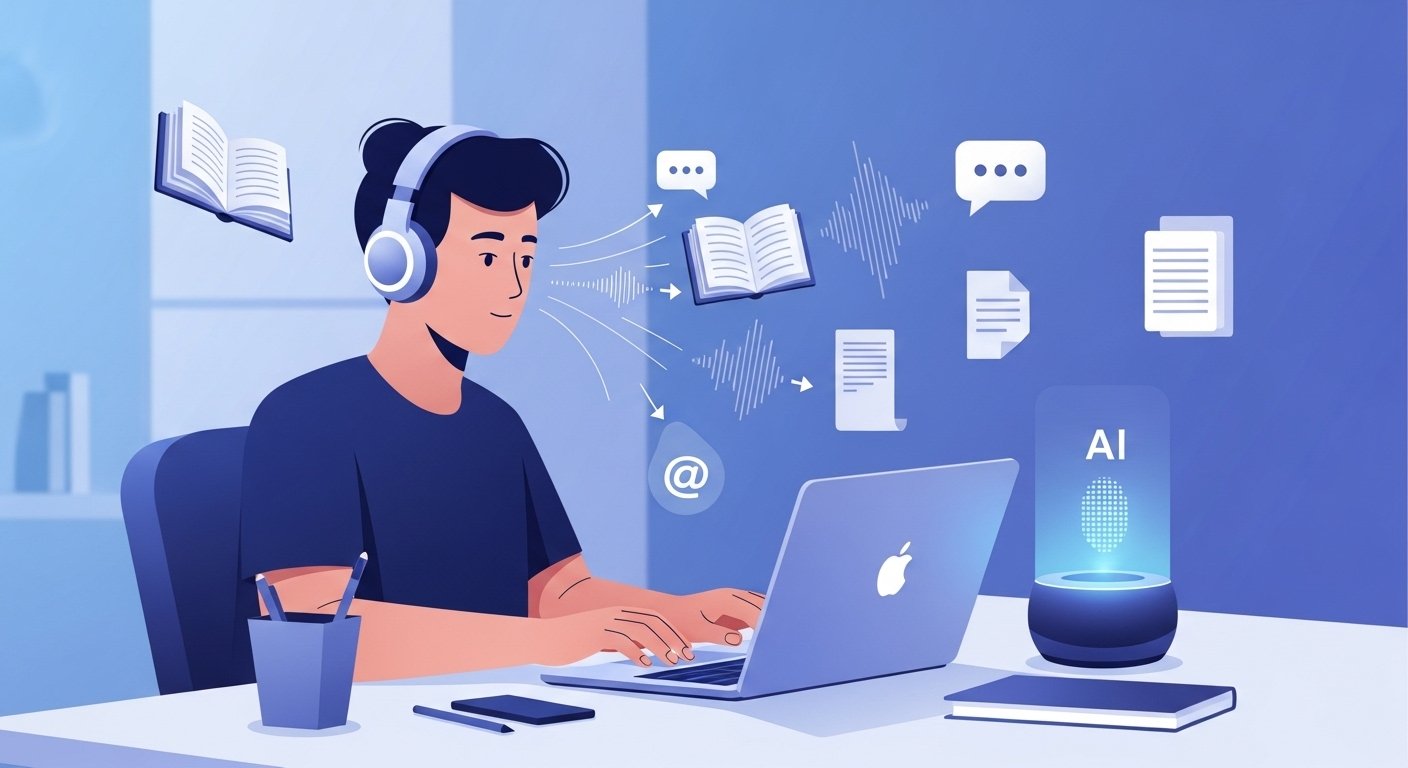
Top 10 Benefits of Using Text-to-Speech in Everyday Life
Introduction
Technology is evolving rapidly, and one of the most practical innovations improving daily life is Text-to-Speech (TTS). From smartphones to smart assistants, TTS is now integrated into many tools we use every day. It allows written text to be converted into spoken words, making information more accessible and convenient.
Whether you’re a student, professional, content creator, or someone who simply enjoys multitasking, Text-to-Speech can transform the way you interact with digital content. In this blog post, we’ll explore the top 10 benefits of using Text-to-Speech in everyday life and why it’s becoming an essential tool in the modern world.
1. Enhances Accessibility for Everyone
One of the most important benefits of TTS is its ability to improve accessibility. It helps people who are:
Visually impaired
Dyslexic
Struggling with reading comprehension
By converting text into audio, TTS ensures that everyone can access digital content equally. It plays a vital role in creating an inclusive digital environment.
2. Saves Time and Boosts Productivity
In today’s busy world, time is everything. TTS allows you to listen instead of read, helping you save valuable time.
You can:
Listen to emails while commuting
Hear articles while exercising
Review documents while multitasking
This makes it easier to consume information without interrupting your daily routine.
3. Improves Learning and Retention
Many people learn better by listening rather than reading. TTS supports auditory learning, which can:
Improve memory retention
Enhance understanding
Make studying more engaging
Students can listen to notes, textbooks, and lessons, making it easier to grasp complex topics.
4. Supports Multitasking
Text-to-Speech allows you to do multiple tasks at once. For example:
Cooking while listening to a blog
Driving while hearing important messages
Working while listening to reports
This flexibility makes TTS a powerful productivity tool in everyday life.
5. Helps with Language Learning
TTS is extremely useful for learning new languages. It helps users:
Hear correct pronunciation
Understand accents and tone
Practice listening skills
Many TTS tools support multiple languages, making them ideal for global learners.
6. Reduces Eye Strain
Spending hours staring at screens can cause eye fatigue and discomfort. TTS offers a solution by allowing users to rest their eyes while listening.
This is especially helpful for:
Students studying long hours
Office workers reading documents
People using screens late at night
By switching to audio, you can reduce screen time and protect your eye health.
7. Assists Content Creators
Content creators are increasingly using TTS for:
YouTube voiceovers
Podcast narration
Social media videos
It eliminates the need for expensive recording equipment or professional voice actors. With realistic AI voices, creators can produce high-quality content quickly and efficiently.
8. Provides Consistent and Clear Output
Unlike human speech, which can vary, TTS provides:
Consistent tone
Clear pronunciation
Reliable output
This is particularly useful in professional settings like customer support, presentations, and automated systems.
9. Enhances User Experience in Apps and Devices
Many apps and devices use TTS to improve user experience. For example:
GPS navigation systems provide voice directions
Virtual assistants respond with speech
Apps read notifications aloud
This makes technology more interactive and user-friendly.
10. Cost-Effective Solution
Hiring voice actors or recording audio manually can be expensive and time-consuming. TTS offers a cost-effective alternative by:
Generating instant audio
Reducing production costs
Eliminating recording setup
Businesses and individuals can save both time and money while still producing high-quality audio content.
Real-Life Examples of TTS Usage
To better understand its impact, here are some everyday scenarios where TTS is used:
Listening to news articles while commuting
Converting blog posts into audio content
Using voice assistants for daily tasks
Helping children learn through audio storytelling
TTS is not just a tool—it’s becoming a part of daily digital life.
Future of Text-to-Speech
The future of TTS is incredibly exciting. With advancements in artificial intelligence, we can expect:
More natural and human-like voices
Emotional and expressive speech
Voice personalization and cloning
Better multilingual support
As technology improves, TTS will become even more integrated into our daily routines.
Conclusion
Text-to-Speech is no longer just a convenience—it’s a necessity in today’s digital world. From improving accessibility to boosting productivity and enhancing learning, TTS offers countless benefits for everyday life.
Whether you’re looking to save time, reduce screen strain, or create content more efficiently, Text-to-Speech provides a smart and practical solution. As AI continues to evolve, its capabilities will only grow, making it an even more powerful tool in the future.
If you haven’t started using TTS yet, now is the perfect time to explore its benefits and make your daily life easier, smarter, and more productive.
FAQs
1. Is Text-to-Speech safe to use?
Yes, TTS tools are generally safe and widely used across various platforms.
2. Can TTS replace human voiceovers?
For basic needs, yes. However, human voices are still preferred for emotional storytelling.
3. Does TTS work offline?
Some apps offer offline functionality, but many require an internet connection.
4. Is TTS available on smartphones?
Yes, most modern smartphones come with built-in TTS features.
Final Thought: Text-to-Speech is not just about listening—it’s about transforming how we interact with information in a smarter and more efficient way.